

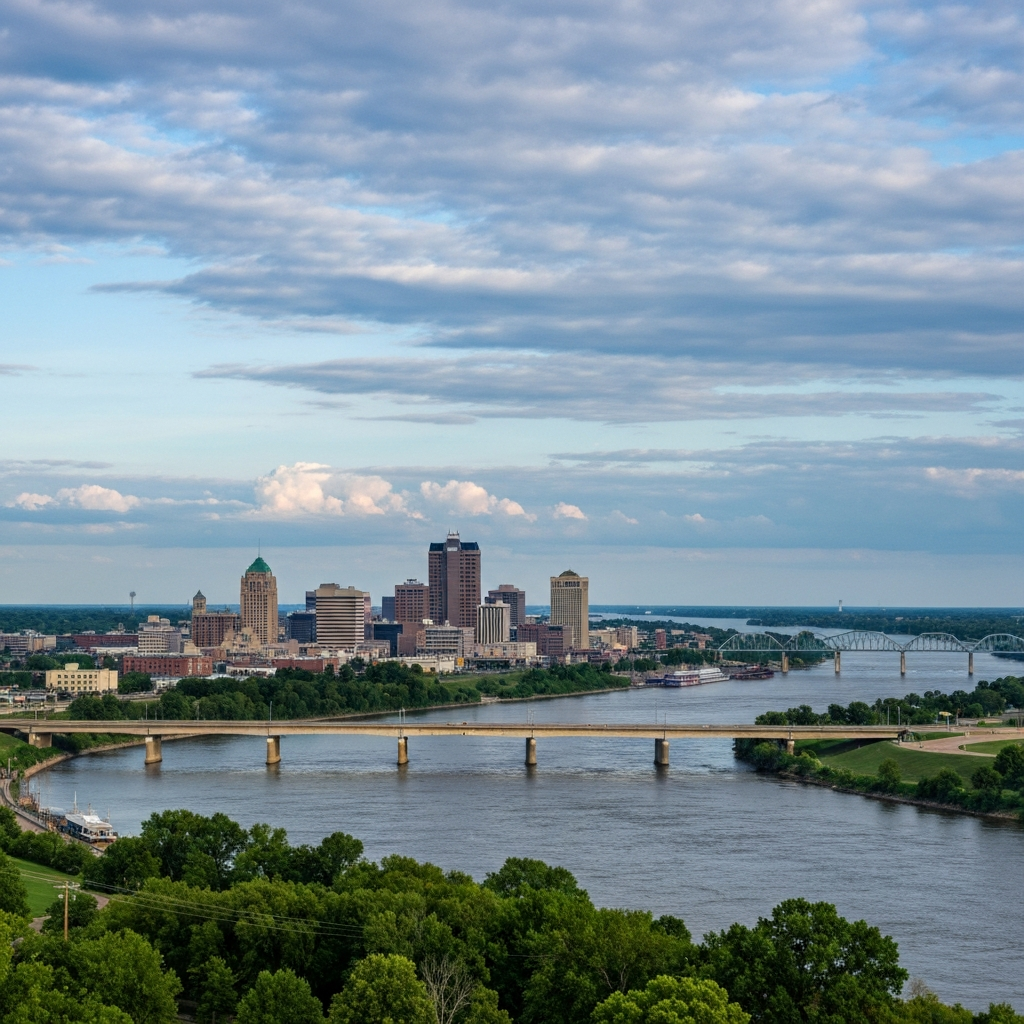
Davenport, Iowa, experiences a humid continental climate characterized by hot summers and cold winters. Understanding these patterns is essential for residents to navigate seasonal changes effectively.
Seasonal Overview
Winter
Winters in Davenport are cold, with average low temperatures around 15°F (-9.4°C) in January. Snowfall is common, averaging approximately 30.7 inches annually. Residents should prepare for snow and icy conditions during these months.
Spring
Spring brings milder temperatures, with average highs reaching 61°F (16°C) by April. This season also sees increased precipitation, averaging 3.73 inches in April, contributing to lush landscapes but also raising the potential for flooding.
Summer
Summers are warm and humid, with average highs around 84°F (29°C) in July. Thunderstorms are common, occasionally bringing heavy rainfall and strong winds. Staying informed about weather forecasts is advisable during this season.
Autumn
Autumn features cooler temperatures and reduced humidity, with average highs of 64°F (18°C) in October. This season is generally pleasant, offering comfortable conditions for outdoor activities.
Environmental Considerations
Flooding
Davenport’s proximity to the Mississippi River makes it susceptible to flooding, especially during spring and after heavy rains. The city lacks a permanent floodwall, so residents in low-lying areas should stay vigilant during periods of high water.
Soil Conditions
The region’s silty clay loam soil retains moisture well but can become compacted, affecting drainage and plant health. Homeowners should consider soil management practices to maintain healthy gardens and landscapes.
Climate Change Impacts
Climate projections indicate an increase in the number of extremely hot days and a rise in heavy precipitation events. These changes may lead to more frequent heatwaves and flooding incidents. Staying informed and adopting adaptive measures can help mitigate these impacts.
By understanding Davenport’s climate and environmental factors, residents can better prepare for seasonal changes and contribute to the community’s resilience against weather-related challenges.